Why Has Date Traceability from the Farm to Harvest Become Important? And What Does It Mean for Buyers?
When you buy dates, it is easy to focus on the product in front of you: the variety, size, color, taste, price, and delivery date. However, for a buyer who deals with dates in commercial quantities, there is another equally important question: Do you…
When you buy dates, it is easy to focus on the product in front of you: the variety, size, color, taste, price, and delivery date. However, for a buyer who deals with dates in commercial quantities, there is another equally important question: Do you really know where these dates came from and what happened to them before they reached you?
This question is the starting point for understanding the concept of Traceability in modern agriculture.
Traceability does not simply mean knowing that the dates came from a particular farm or country. The idea is broader than that; it concerns the ability to trace the product and its information through different stages of the production and supply chain, and to return to the information associated with its source when needed. FAO defines food traceability as the ability to follow the movement of food through specified stages of production, processing, and distribution, and considers it a tool for supporting quality, safety, market access, and operational management.
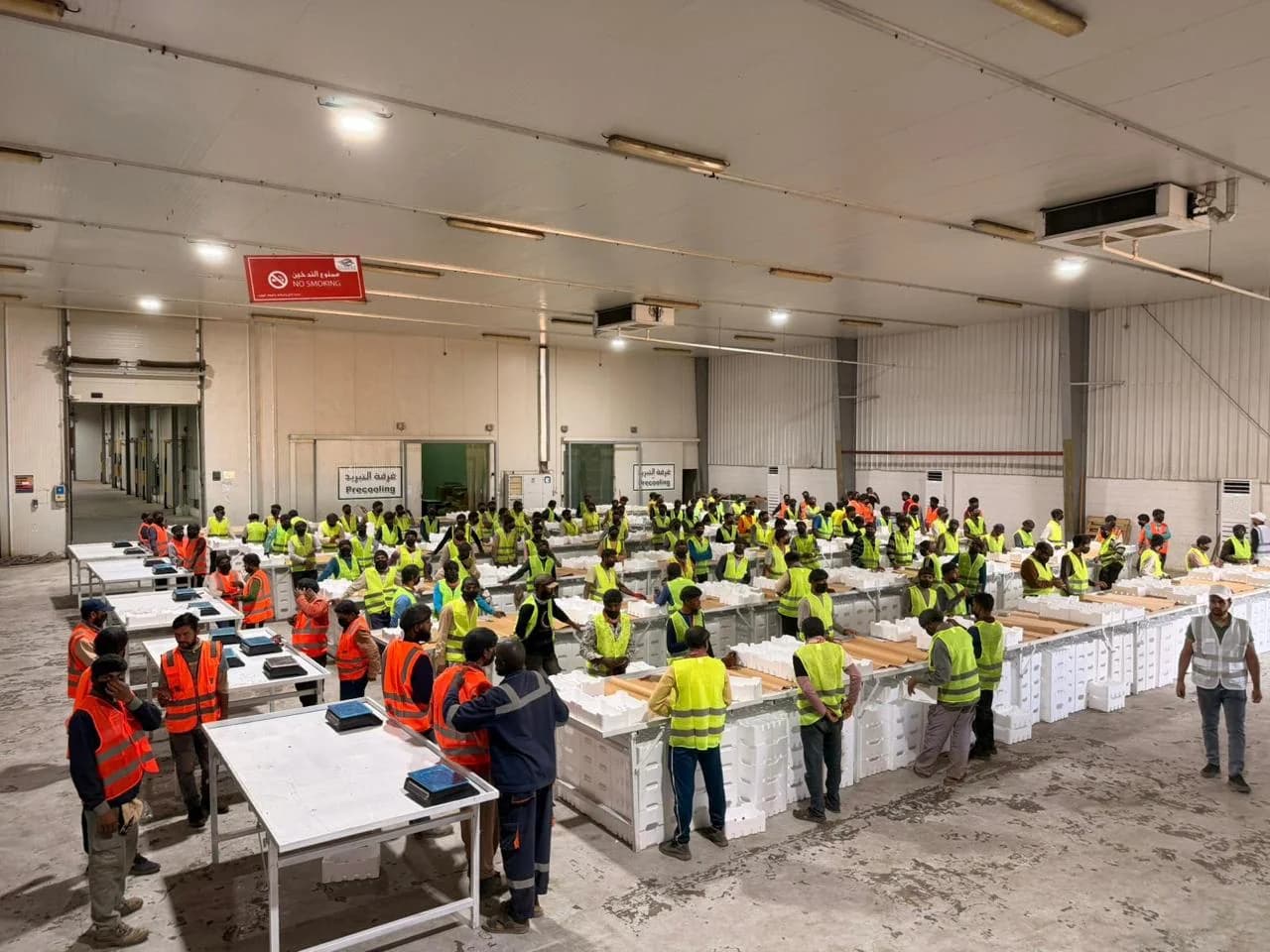
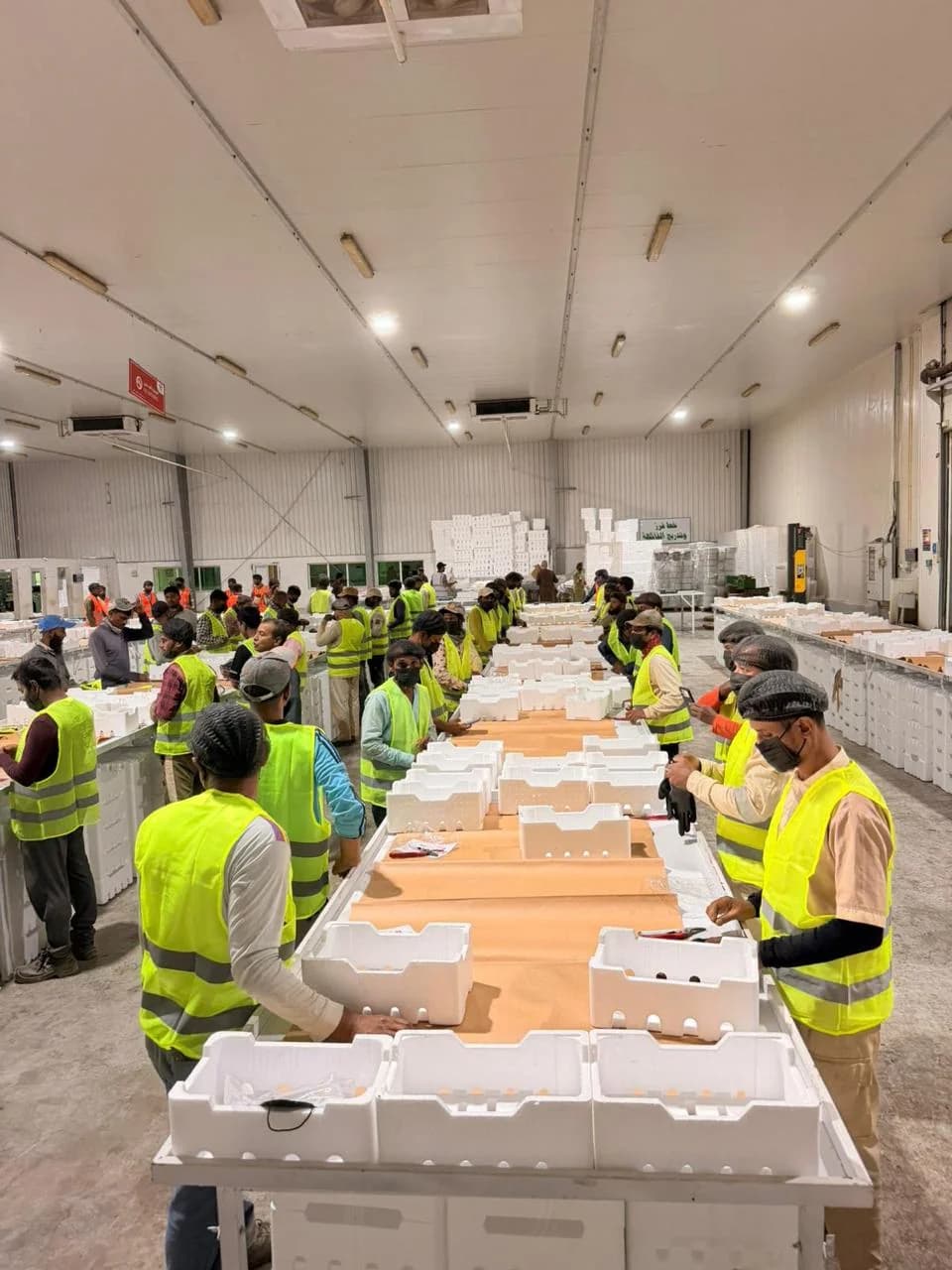
In the date sector specifically, the idea becomes more important because the quality of the final product is not determined only at the moment of harvest. The journey begins on the farm and continues through palm management, harvesting, crop handling, storage and packaging, and finally until the product reaches the market. FAO recently confirmed in Egypt that the quality and market value of dates are connected to a continuous chain of practices that begins in the field and extends through the harvest, post-harvest, and market stages.
What does date traceability mean?
Simply imagine that you purchase a shipment of dates and want to know its history. Which farm did it come from? What variety is it? When was it produced or harvested? And what information can be referred to if a quality problem appears or if the product specifications differ from what was agreed upon?
This is where the value of a traceability system becomes clear.
Instead of the product being merely a quantity of dates with a shipment number and a price, it becomes possible to link it to information about earlier stages of its journey. In more organized agricultural systems, this traceability can begin at the farm level itself, with records linked to the different production stages.
FAO explains that effective traceability systems make it possible to return to the product’s source and follow its movement through the supply chain. They also help identify the location of a problem quickly when a quality or safety issue occurs.
This is the difference between knowing where the product ended up and knowing where it began and how it moved throughout its journey.
Why is knowing only the source of the dates not enough?
It may seem that knowing the name of the farm or region from which the dates came is sufficient, but in reality, this represents only an initial level of information.
Suppose that two shipments of the same variety came from the same region, but differed in quality or specifications. If there is not enough information about the production and handling stages of each shipment, it may be difficult to identify the reason for the difference.
A more organized traceability system, however, allows a clearer picture of the product’s journey to be built. This can help identify the source of the difference, review the relevant operations, and improve how future seasons and shipments are handled.
For this reason, traceability is not merely a tool for knowing the origin; it is a tool for understanding the journey.
How can traceability begin with the palm itself?
In many cases, traceability is considered to begin with the final product or at the packaging stage, but the journey can begin much earlier.
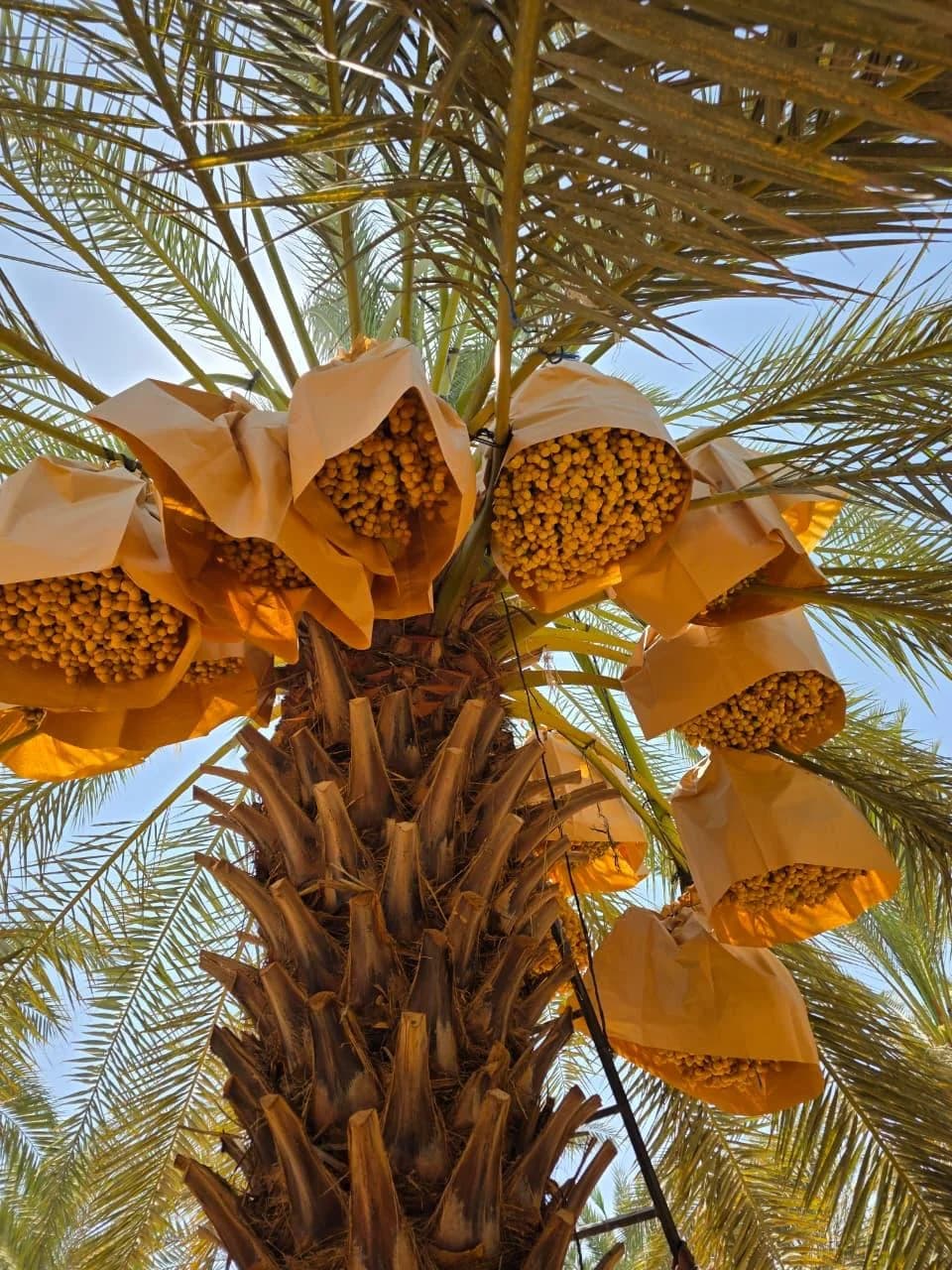
On a date farm, the palm itself can be the starting point.
When each palm is treated as a unit that can be tracked, it becomes possible to build a more detailed record of its journey within the farm. Over time, information related to the palm, its growth stages, and its production can accumulate to form a history that can be consulted.
The farm then becomes more than an area containing a large number of palm trees; it becomes a system through which information can be linked to the agricultural source itself.
This is one of the aspects on which MAP Trade relies at its farm, where every palm is tracked from planting through harvest, making the palm’s journey part of the information associated with production.
The idea is not that traceability will make every palm identical or guarantee crop quality on its own. Rather, it gives farm management a better view of what is happening within the farm, which can support future decisions.
What is the relationship between Traceability and date quality?
Quality is not an event that takes place on the day of harvest.
In the date sector, there are a number of stages that can affect the final product, beginning with agricultural practices and continuing through harvest timing and the handling of the fruit after collection. For this reason, modern date-sector development programs focus on treating the value chain as an interconnected system rather than handling each stage separately. In Egypt, recent FAO programs have focused on good agricultural practices, pest management, and then harvest and post-harvest practices, with the aim of improving quality, reducing losses, and strengthening the ability to meet market requirements.
The presence of traceability does not mean that the product will automatically be of high quality, but it provides a better way to understand the processes that led to the final product.
This is an important distinction, because improving quality first requires knowing what is actually happening.
What happens when a problem appears in one of the shipments?
This is one of the most important situations in which the practical value of traceability becomes visible.
If a buyer discovers a problem in a particular product, the natural question is: Where did the problem begin?
If the available information is limited, you may have to review an entire supply chain to reach the cause. When clearer records are available, however, it is possible to narrow the scope of the investigation and return to earlier stages of the product’s journey.
FAO indicates that traceability systems help food chains identify the location of a product and trace the source of problems. They also facilitate recalls or corrective actions when needed.
For the commercial buyer, this is not a theoretical matter. The ability to deal with a problem quickly can mean reducing losses, improving quality management, and protecting the relationship between supplier and buyer.
Traceability does not serve the farm alone
It is easy to view traceability as an internal tool that helps the farm owner manage the trees.
Its real value, however, appears when the information extends throughout the rest of the value chain.
The farmer produces the crop, the processor handles it, the packer prepares it for the market, and the exporter or distributor moves it to the final customer. Each party needs a certain level of information to manage its part of the chain.
For this reason, traceability has become part of the broader movement toward building More Transparent Food Supply Chains.
Recent research in the agricultural sector indicates that traceability from farm to consumer can support transparency, quality, safety, and authenticity, while challenges remain related to data standardization and information sharing among different parties.
Why does this matter to the commercial buyer?
For a buyer who deals with dates in large quantities, the relationship with the supplier does not end when the first successful shipment is received.
The real challenge is maintaining a clear level of quality and specifications across repeated supply operations. Here, having clear information about the source, production, and journey becomes more valuable.
If you are an importer, distributor, or wholesaler, you are not simply looking for a supplier who has good dates today. You are looking for a supplier with whom you can build a supply relationship, a supplier whose product you can understand, and with whom you can deal when requirements change or a problem appears.
Here, traceability becomes part of Supplier Reliability, rather than merely a technical feature.
How does agriculture change when data becomes part of the farm?
Traditional agriculture relies heavily on the experience, observation, and accumulated knowledge of workers and farmers. This experience remains highly valuable, but adding data to that experience can create another level of knowledge.
When information is recorded continuously, knowledge does not disappear at the end of the season.
Instead, it can be revisited and compared with subsequent seasons, used to understand differences and identify patterns, and applied to make decisions that are more information-based.
This is part of the broader shift toward Data-Driven Agriculture.
In July 2026, FAO discussed the role of smart farming solutions in improving food safety and decision-making, and mentioned real-time monitoring, traceability, and analytical tools among these solutions.
Accordingly, traceability is not a technology separate from agriculture; it is part of the shift toward managing the farm as a system that can be measured, understood, and developed.
From the farm to the market: Why does MAP Trade start with the palm?
At MAP Trade, we believe that the best point at which to begin the traceability journey is the source itself.
For this reason, the farm relies on tracking every palm from planting through harvest, rather than beginning the documentation process only when the product is ready for sale.
This approach gives the date journey a clear starting point: the palm that produced it.
From there, a link can be built between the farm and the crop, and between the data collected throughout the journey and the product that ultimately reaches the supply stage.
For us, technology is not the final goal. The goal is to have a greater ability to understand the farm, know the journey of the palms, and build a record that can be consulted over time.
We believe that modern date production is not only about producing a good crop, but also about knowing how it was produced, where it began, and what happened throughout its journey.
Will Traceability become more important in the future of the date sector?
The general direction of the food and agriculture sector is moving toward greater transparency and increased reliance on data, and the date sector is not far from this trend.
In Egypt specifically, relevant bodies are working with FAO to develop the date value chain from production through packaging, processing, and export, with a focus on improving quality, reducing losses, and meeting the requirements of local and international markets. The Egyptian strategy for the palm sector for the period 2024–2029 also includes directions related to developing production, packaging, processing, export, and sustainable practices.
In this context, the future question will not only be: How much does the farm produce?
It will also become important to know: What does it produce? How does it produce it? And how much information can it provide about the journey of this product?
Here, traceability can evolve from merely being an information-management system into an element of the commercial value of the farm and supplier.
Conclusion
Traceability is not merely a way to know where the product is located. It is a way to understand the product’s complete journey, from its agricultural source to its arrival at the market.
In date farming, this journey begins with the palm itself. The more it becomes possible to record and follow information related to the palms, production, and harvest, the easier it becomes to build a clearer picture of the product, support quality management, deal with problems, and improve operations over time.
This is the approach adopted by MAP Trade at its farm by tracking every palm from planting through harvest.
Because we do not want to know only where the dates came from; we want to know the journey that created them.
If you are looking for a date supplier that can provide you with clearer information about the product’s source and journey, contact MAP Trade to learn more about the farm, available varieties, and supply requirements.